Take the first step to starting your new career in 2026!




And join over 63,000+ students who passed the UBC Exams


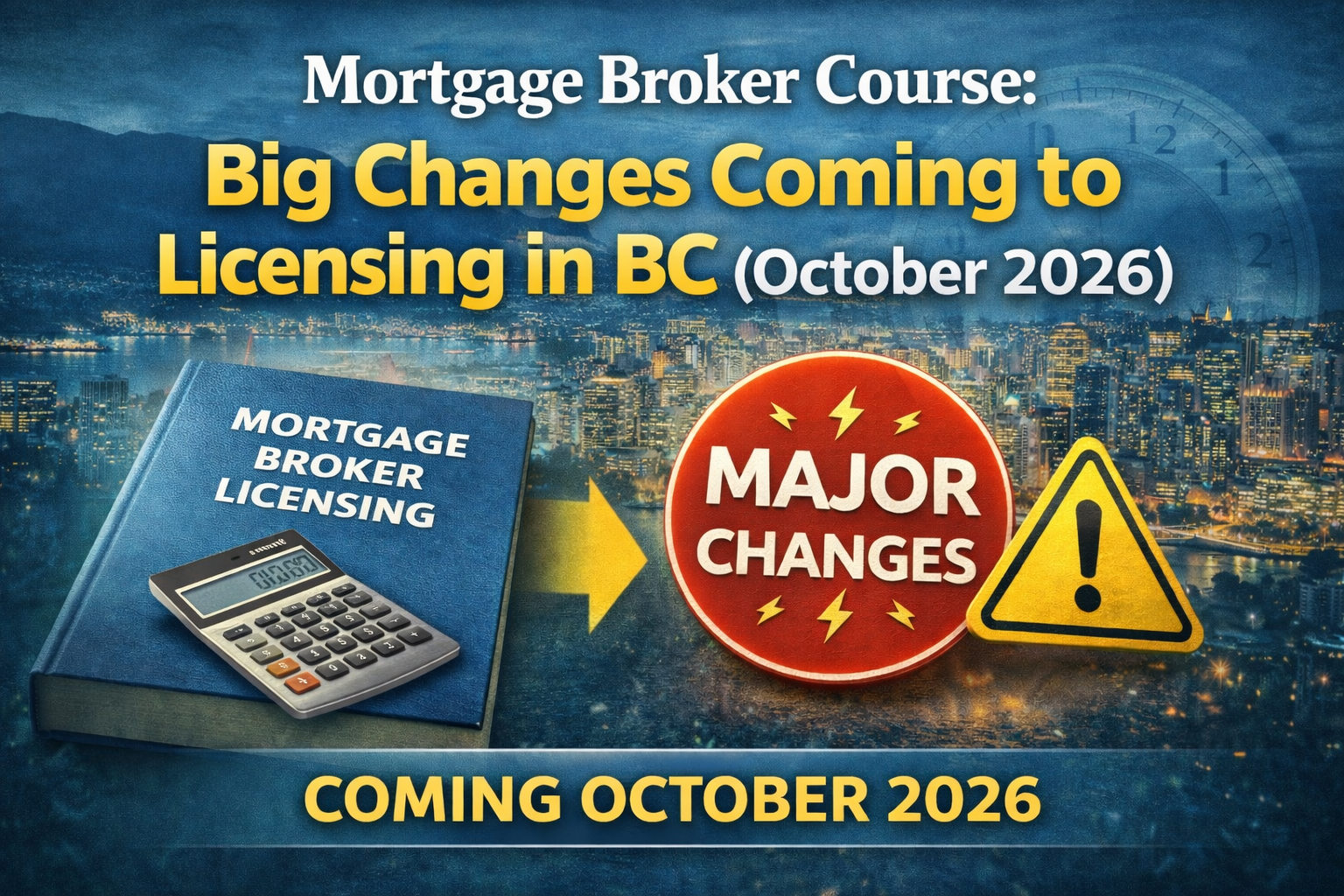

If you’re thinking about becoming a mortgage broker in British Columbia or you’re already in the process - you’ve probably heard whispers about “big changes coming.” These changes are part of a broader effort to align BC’s mortgage broker licensing requirements with national standards across Canada, reflecting how the mortgage industry is regulated throughout the country.
Regulation of mortgage broker licensing is overseen by provincial authorities, such as the BC Financial Services Authority. Mortgage broker courses in Canada are mandated by these regulators to ensure all candidates are trained in mortgage financing fundamentals, legal frameworks, ethics, and lender guidelines.
Let me break this down for you in plain English, because honestly… most of the official explanations feel like they were written for lawyers, not real people.
Here’s the part that confuses everyone:
A submortgage broker is NOT a “beginner level”
It’s simply the legal term for an individual mortgage broker
The term “mortgage broker” actually refers to the brokerage (the company) — not you as an individual.
So in real life:
You’re doing the full job of a mortgage broker from day one — the title difference is just legal wording.
👉 Mortgage Services Act (MSA)
And this isn’t a small tweak — it’s a full overhaul.
Current system:
“Get registered as a submortgage broker (individual), work under a brokerage, and you can start doing deals.”
New system:
“You are a licensed financial professional with defined responsibilities, categories, and ongoing obligations.”
That’s the shift.
You might have heard:
“You need to work 6 months as a sub-mortgage broker before moving up…”
❌ That is incorrect.
There is:
Once you’re licensed, you’re already performing the full role.
Under the new system:
Instead of focusing on titles, the system focuses on: “What responsibilities do you have in mortgage services?”
Good question.
Under the new rules, licensing becomes more structured. You may be licensed depending on activities like:
So instead of confusing labels, it becomes:
“What exactly is your function in the industry?”
For example, Sarah wants to become a mortgage broker.
She is already doing the full job — there is no “next level” required.
New system (October 2026+):
Sarah wants to enter the industry.
It’s less about title — more about qualification and accountability
That’s the shift. The new approach recognizes the ability of mortgage professionals to operate as qualified, accountable experts—capable of managing client relationships, accessing a wide range of mortgage products, and navigating the licensing process with confidence.
The education side is also changing.
Starting August 4, 2026:
So if you’re thinking about getting licensed…
It is actually smarter to enroll BEFORE these changes take effect
Why?
Because:
So if you’re thinking about getting licensed…
👉 It is actually smarter to enroll BEFORE these changes take effect
Why?
Because:
This part is important.
If you’re already registered before October 2026:
That means:
In addition, continuing education will be required to stay current with new regulations and maintain your licensure under the updated system.
Think of it like upgrading your status.
This is something a lot of students underestimate.
Under the new system:
Every brokerage must have a principal broker who:
So it’s not just:
“Go find deals”
It’s:
“Operate properly within a regulated financial system”
Simple answer: consumer protection
FSRA's updated criminal record check process is designed to protect consumers by ensuring that only suitable individuals are authorized to sell or offer financial products and services in Ontario.
There’s been increasing concern around:
These changes are designed to better protect borrowers, ensuring they have access to safe mortgage and refinance options, and that their interests are prioritized throughout the mortgage process.
So the province (through goBC) is tightening things up to make sure:
Additionally, the rise of digital mortgage platforms has created demand for professionals with expertise in online lending and fintech solutions.
You need to understand the rules if you want to work as a mortgage broker in BC. It’s not complicated once someone breaks it down for you. The BC Financial Services Authority (BCFSA) runs the show here. They set the standards. They make sure brokers actually help their clients instead of just pushing deals. Simple as that.
Want to get licensed? You’ll need to take an approved course—like the Mortgage Brokerage in British Columbia Course that BCFSA recognizes. Don’t think of this as just another hoop to jump through. This course teaches you what you actually need to know. Real mortgage deals. Compliance rules that matter. How to serve clients properly. You’re building skills you’ll use every single day.
If you’re looking at other provinces, the entry-level course required to work as a mortgage agent in places like Ontario is the Mortgage Agent Level 1 Course. To become a licensed mortgage agent level 1 in Ontario, you must successfully complete an FSRA-approved mortgage agent level 1 education program within two years of applying for a license. The mortgage agent level system defines the licensing criteria, educational qualifications, and responsibilities for agents at each stage.
Here’s what most people miss: you can’t just get licensed and stop learning. The Alberta Mortgage Brokers Association (AMBA) offers resources that help BC brokers too. Rules change. The industry shifts. You need to stay current. Not because someone says so, but because that’s how you stay competitive. The brokers who keep learning? They’re the ones who succeed while others struggle.
BC's mortgage industry might seem overwhelming at first, but it's actually pretty straightforward once you understand the basics. You've got mortgage brokerages, banks, credit unions, and independent mortgage professionals all working to help people get mortgages. Whether you want to buy your first home, refinance what you already own, or invest in real estate, a licensed mortgage broker makes the whole process way easier.
Mortgage agents typically earn between $87,000 and $125,000 annually, while experienced mortgage brokers can earn between $120,000 and $250,000. The Canadian Occupational Projection System anticipates an increase of nearly 10,000 jobs for financial officers, including mortgage brokers, between 2024 and 2033.
Here's what you need to know about getting licensed. The BC Financial Services Authority (BCFSA) runs the show for mortgage brokers in BC. They make sure everyone follows the rules and does business the right way. To become a licensed mortgage broker, you need to take a mortgage agent course and pass the licensing exam. Don't worry—it's totally doable when you focus on what actually matters for the test.
You're not on your own in this process. The BCFSA gives you guidance, and organizations like the Alberta Mortgage Brokers Association (AMBA) support brokers across Western Canada. These groups help you stay compliant, keep up with rule changes, and get ongoing education. Think of them as your backup system.
Mortgage brokers operate independently or within a brokerage, managing mortgage deals from start to finish and negotiating terms with lenders on behalf of clients.
Working with a licensed brokerage protects both you and your clients. Clients trust you because they know you're qualified and regulated. If you're looking to build a career in mortgages, understanding these requirements is your first step. Get the right training, focus on what matters for the exam, and you'll be helping clients navigate mortgages with confidence.
Here’s what you need to know about getting licensed. The Financial Services Regulatory Authority (FSRA) isn’t messing around. They want you to prove you can do the job. That means completing an approved course and passing an exam that tests real skills, not just memorization. The CMBA Ontario Accredited Mortgage Agent Course? It’s built to meet these exact standards. The CMBA Ontario Mortgage Agent Course is accredited by the Financial Services Regulatory Authority of Ontario (FSRA) and is required to obtain a Mortgage Agent Level 1 licence in Ontario. The mortgage agent level 1 program consists of a course that includes a final examination, which is mandatory for licensing purposes. Students have up to 6 months to complete the CMBA Ontario Mortgage Agent Course, with the option to extend for an additional 2 months for a fee. You’ll have the tools you actually need to succeed.
The best part? You can study when it works for you. Online, at your own speed, around your actual life. Working full-time? No problem. Changing careers? We get it. Want to move fast? Go for it. The focus is simple: understand the material so you can pass that exam and start your financial services career with confidence. Not stress.
Getting your mortgage license doesn’t have to stress you out. Yes, there are steps to follow, but here’s what actually matters and how it really works:
First step: You need complete the UBC Sauder mortgage course ($1,500), that’s approved by your province’s regulator. In BC, that’s the BC Financial Services Authority (BCFSA). In Ontario, it’s the FSRA. Don’t overthink this part—just find an approved course, complete it, and get your certificate. That’s your foundation.
Once you pass, you must be sponsored by a licensed mortgage brokerage, and they will submit your application to the BC Financial Services Authority. The registration fee to become a mortgage broker (as an individual) is $1,500. Altogether, most people spend around $3,000 to get licensed in BC.
After your application is submitted, BCFSA reviews your documents, including your course completion, background checks, and employment history. If everything is in order, you’ll be approved and registered as a mortgage broker working under a brokerage, which means you can start working with clients right away. The system is designed to make sure you’re trained and supervised from the beginning, but overall, the process is straightforward if you follow the steps. Here’s the part most people don’t expect: You also need a Principal Broker to sponsor you. This is someone from a licensed mortgage brokerage who agrees to guide you when you’re starting out. Think of them as your mentor who vouches for you.
After you submit everything, the regulator reviews your application. They might ask for more documents—don’t panic if they do. If your paperwork is complete and you meet their requirements, you get approved. That’s it. You’re officially licensed to work as a mortgage agent or broker.
The whole system exists to make sure only prepared people enter the mortgage industry. Stay organized, follow the steps, and you’ll be ready to start helping clients with their mortgage needs. It’s that straightforward.
Want to become a mortgage broker or agent in Canada? Start with education. You need to complete a mortgage agent course. Not just because it's required—but because you actually need to know this stuff to succeed.
Here's what you're dealing with: FSRA in Ontario and BCFSA in BC set the rules. Their approved courses cover the basics—mortgage transactions, working with banks, understanding regulations. These courses prepare you for the licensing exam. Pass that, and you're a licensed mortgage broker or agent.
Good news? You can study online now. Schools like GOBC Real Estate School offer flexible programs. Study when it works for you. Go back and review tough topics. Perfect if you're juggling work, family, or a career change.
Your education doesn't end after you pass the exam. You need continuing education to stay competitive. Regulations change. New mortgage products come out. Staying current keeps your license valid and helps you serve clients better.
Complete your course, get your license, and you're in. It's a solid career in financial services. You help people buy homes while building your own business. Whether you're starting fresh or changing careers, education is your first smart move.
Don’t rely on outdated info and don’t wait too long
Because right now, there’s a window of opportunity.
And this is exactly where GoBC comes in
If your goal is to:
Then GoBC is one of the best places to get you licensed quickly and efficiently.
For more detailed information about our mortgage broker course or if you have any questions about the licensing application process, please visit GoBC Real Estate School — we’re here to provide assistance every step of the way. You can also contact GoBC directly for support or inquiries about the mortgage broker course or the licensing process.
A career as a mortgage broker in Canada can open far more doors than most people initially realize. At the core, you’re helping clients secure financing for real estate, but over time this role can evolve into multiple paths.
One major benefit of pursuing a mortgage broker course is the strong career growth, high salary potential, and increasing industry demand. Many mortgage professionals start as agents, gaining experience and building client networks before advancing to broker or management roles.
The average salary for mortgage brokers in Canada is approximately $97,500, but earnings can vary significantly based on commission structures and geography.
Many start as traditional brokers working under a brokerage, earning commission-based income that can grow significantly with experience. From there, you can build your own brand, generate your own leads, and effectively run your own business. Some move into becoming a principal broker or brokerage owner, managing teams and scaling income beyond personal deals. Others branch into private lending, working with investors or even becoming lenders themselves. There are also opportunities to work with banks or credit unions for more stability, or to leverage your knowledge into real estate investing, education, or coaching. Advanced courses enable agents to work with alternative and private lenders, expanding their client base and earning potential.
What makes this career especially powerful is the long-term potential if you treat it like a business rather than just a job. While the first year can be challenging, many brokers grow into six-figure incomes within a few years and eventually build multiple income streams through referrals, investments, and partnerships.
With upcoming changes like the Mortgage Services Act in 2026, the industry is becoming more professional and regulated, which may reduce competition from less serious entrants. That creates an advantage for those who enter early, build strong foundations, and position themselves as knowledgeable, trusted professionals in the space.